


At Happy Campers Pediatric Dentistry, our mission is to guide families through every stage of childhood oral development with gentle, evidence-informed care. We prioritize prevention, clear communication, and practical strategies so parents feel confident helping their children maintain healthy, comfortable smiles.

The earliest encounters children have with dental care shape how they view oral health for years to come. We encourage families to think of dental visits as routine check-ins—opportunities to learn, prevent problems, and celebrate milestones rather than events to fear. A calm, consistent approach at home combined with supportive visits at the office lays the groundwork for lifelong habits.
Prevention is the cornerstone of pediatric dentistry. Simple, age-appropriate routines—brushing twice daily with a soft brush, beginning flossing when teeth touch, and choosing tooth-friendly snacks—reduce the chances of cavities and other issues. Our team focuses on teaching techniques that children can adopt easily and parents can reinforce with confidence.
Beyond daily habits, families benefit from regular professional care. Early exams let clinicians monitor growth, detect trouble early, and recommend targeted prevention like topical fluoride or sealants when they’re most likely to help. Consistency reduces the need for more invasive treatment later and supports a more positive experience for the child.
We also work to demystify dental care for parents. When caregivers understand what to expect and why certain services are recommended, they can make informed decisions that support their child’s overall health and development—bridging the gap between clinical guidance and everyday practice.
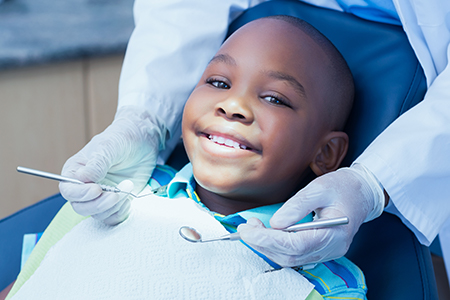
Routine exams are designed to be efficient, gentle, and educational. During a visit, a clinician will review your child’s health history, observe growth and development, and perform a focused assessment of teeth, gums, and oral tissues. For younger children, the exam is paced to match their comfort level; for older kids, the visit includes hands-on coaching for better home care.
Digital radiographs are used selectively and only when they add important diagnostic value—such as evaluating the spacing for permanent teeth or identifying decay that’s not visible on the surface. When images are needed, modern digital sensors minimize exposure while giving the clinical team the information necessary to plan safe, effective treatment.
Professional cleanings remove plaque and buildup from areas that are hard to reach at home. Hygienists also check for early signs of gum inflammation, provide personalized oral hygiene instruction, and share practical tips to make brushing and flossing more effective for each child’s age and dexterity.
Preventive appointments are more than a routine: they are a proactive strategy to preserve developing smiles. Detecting issues early—whether a small cavity, a shifting tooth, or a developing bite discrepancy—means treatment can be simpler, less invasive, and more comfortable. Regular monitoring also helps the team time interventions precisely when they will be most effective.
Children who build a pattern of regular care are less likely to experience emergency visits and more likely to accept recommended treatment calmly. Consistency fosters trust between the child, the family, and the dental team, so care decisions become collaborative rather than reactive.
Good oral health at home combines routine care with smart choices. Encourage twice-daily brushing with a smear or pea-sized amount of fluoride toothpaste appropriate for your child’s age, add flossing once teeth touch, and model consistent habits. Reducing frequent exposure to sugary drinks and snacks—especially between meals—also dramatically lowers cavity risk.
Small changes in routine or environment often yield big results: keep a child’s toothbrush within sight to encourage use, turn brushing into a two-minute game, and offer water between meals. If a pacifier or thumb-sucking habit persists beyond the preschool years, seek guidance to avoid long-term effects on alignment and speech.
Our team focuses on three practical prevention goals: maintain effective daily hygiene, limit prolonged exposure to sugars and acids, and use clinical preventive measures (like sealants and fluoride) selectively. These priorities support strong teeth and a healthier oral environment as children move through growth phases.

Dental development begins long before a child has a full set of teeth. We recommend the first dental visit by a child’s first birthday or within six months of the first tooth erupting. Early visits allow the team to check for developmental patterns, give practical guidance on feeding and cleaning, and help parents navigate teething and early oral-care milestones.
For babies and toddlers, exams are brief and tailored to the child’s comfort. Providers may demonstrate cleaning techniques using a washcloth or infant brush, discuss strategies to prevent sleep-time bottle decay, and answer questions about pacifiers, thumb-sucking, and introducing fluoride safely.
When a child is teething, caregivers can use tried-and-true soothing methods such as chilled teething rings or gentle gum massage with a clean cloth. If a parent notices unusual swelling, persistent redness, or feeding difficulties, those are important reasons to seek an early evaluation so any concerns can be addressed promptly.
Facial growth and tooth alignment evolve as children grow, and early observation gives clinicians a head start in identifying issues that might benefit from timely intervention. We monitor spacing, bite relationships, and jaw development during routine visits and advise families when a referral or early interceptive care could simplify later treatment.
Not every alignment concern requires immediate action; sometimes monitoring is the best approach. However, early detection of habits or growth patterns that could lead to crowding or bite problems lets clinicians plan conservatively and, when appropriate, recommend minimally invasive measures to guide development.
Protecting active mouths is another priority. When children participate in sports or high-contact activities, properly fitted mouthguards significantly reduce the risk of dental injuries. We can discuss options and help families choose guards that balance protection, comfort, and compliance.
As children become teens, their dental needs shift toward preserving function and appearance while supporting long-term oral health. Regular visits continue to focus on prevention, but clinicians also watch for wisdom tooth development, enamel wear, and behavior patterns that can affect oral health—such as vaping or frequent acidic drink consumption.
Adolescence is a time when independence increases and habits solidify. We emphasize education that encourages responsible self-care and equip teens with practical strategies for maintaining their smiles through busy schedules. This includes targeted guidance on brushing technique, managing orthodontic appliances, and making nutrition choices that support oral health.
When orthodontic treatment is appropriate, families benefit from a clear timeline and predictable expectations. Early assessment—often by age seven for certain concerns—helps determine the best timing for any intervention so treatment can be efficient and supportive of natural growth.
Judicious timing is essential for many developmental treatments. We track jaw relationships and tooth eruption patterns so that, when necessary, interventions occur at a stage that maximizes benefit and minimizes disruption. This approach reduces the likelihood of avoidable complications and helps maintain a balanced, functional bite.
Oral health connects directly with nutrition and overall wellness. A diet rich in calcium, vitamins, and whole foods supports tooth strength and gum health, while high-frequency snacking and sugary beverages increase decay risk. Adequate sleep and attention to breathing or swallowing patterns are also important—especially when they interact with growth or dental development.
At Happy Campers Pediatric Dentistry, our goal is to be a steady partner in your child’s dental journey—providing clear guidance, evidence-based care, and an encouraging environment that helps families build healthy smiles. If you’d like to learn more about our pediatric services or have questions about your child’s dental needs, please contact us for more information.

A pedodontist is a dentist who has received advanced specialty training in meeting the dental needs of children from infancy to adolescence. Pedodontists, also referred to as "pediatric dentists," study child psychology, behavior management, caring for children with special needs, methods of handling oral/facial trauma, and various techniques for providing anesthesia and sedation. Pedodontists also understand the complexities of facial growth and development and have the clinical skills required to meet the dental needs of all children at every stage of development. Most of all, pedodontists are passionate about what they do and enjoy working with children. They strive to make every dental experience a positive one as they help children establish a strong foundation for good oral health.
Even before your child is born, their first set of teeth is already forming. In fact, by one year of age, some of your baby's front teeth will have already come into place. While the arrival of your baby's first teeth is only one of many developmental milestones, it represents an excellent time to begin a program of oral care. According to recommendations from the American Dental Association, babies should see the dentist around the time of their first birthdays.
Your baby's first teeth typically begin to appear in the 6 to 12-month range. While this is an extraordinary milestone, you need to be aware that your baby may find the experience a little bit uncomfortable. Teething can make babies feel irritable. They may be fussy, have trouble sleeping, not want to eat, and drool quite a bit.
Although you are powerless to speed up the process of teething, there are a few things that you can do to soothe your baby as the new teeth are erupting into place. Common approaches to helping your baby feel more comfortable while getting new teeth, include teething rings or a cold spoon or moist gauze rubbed over their gums.
Even for these few new teeth, it's absolutely essential to establish an effective regimen of oral care. For information on when your baby's first set of teeth will erupt into place, consult this timeline from the American Dental Association: Eruption Charts
Some children persist in sucking their thumbs or fingers beyond their preschool years. For these children, the activity continues to be a source of comfort, relaxation, and security. It may even help them fall asleep at night. However, it's essential to be aware that in the long-term, a finger sucking habit is not healthy.
If your child's thumb or finger sucking habit is still present when the permanent teeth begin to come in, your child is at a higher risk of developing a bad bite. By the age of five or six years, you need to constructively and gently help your child stop the habit.
It's also a good idea to have a comprehensive evaluation at this time. Your pedodontist can assess if there are any habit related alterations to the alignment of your child's teeth or jaws, or if it is affecting their speech or swallowing patterns. They can also discuss habit control strategies with you, as well as follow your child's bite and facial development as they grow. If interceptive appliances or corrective orthodontic care are recommended, the timetable and best options in care will be explained in complete detail.
At Happy Campers Pediatric Dentistry, we recommend scheduling your child's first dental visit by their first birthday or within six months of the first tooth erupting. Early visits help clinicians monitor development, screen for early issues, and offer guidance on feeding and cleaning. A brief, low-pressure appointment also helps children become familiar with the office environment and reduces anxiety on future visits.
The initial visit typically includes a gentle exam, a review of health history, and practical tips for home care such as wiping gums and introducing a small toothbrush. Providers may demonstrate soothing techniques for teething and discuss preventing sleep-time bottle decay. If appropriate, the clinician will outline a personalized recall schedule and answer caregiver questions.
Most children benefit from routine checkups and professional cleanings every six months to monitor growth, remove plaque, and apply preventive measures when needed. Children with higher cavity risk, special health needs, or orthodontic concerns may require more frequent visits tailored to their situation. Regular visits allow the team to detect small problems early and reduce the need for more invasive therapies.
During these appointments clinicians review oral hygiene routines, discuss dietary habits, and decide whether additional prevention like topical fluoride or sealants is appropriate. Establishing a consistent schedule builds familiarity and trust between the child and the dental team, which improves cooperation and oral-health outcomes. Care plans are individualized so families receive guidance that fits their child's development and risk profile.
A pediatric dental exam is paced to a child's comfort and includes a review of medical history, an assessment of teeth, gums, and oral tissues, and observation of growth and eruption patterns. For older children the appointment also includes hands-on coaching for brushing and flossing technique to improve home care effectiveness. The clinician will note any signs of decay, gum inflammation, or developmental differences that may need monitoring.
Digital radiographs are used selectively to answer specific diagnostic questions, such as evaluating spacing for permanent teeth or detecting hidden decay, and modern sensors minimize exposure. Hygienists perform professional cleanings to remove buildup from hard-to-reach areas and offer personalized hygiene instruction. When additional treatment is recommended the team explains options and timing so families can make informed decisions.
Daily preventive habits are the foundation of cavity prevention: brush twice a day with a soft toothbrush and an age-appropriate smear or pea-sized amount of fluoride toothpaste, and begin flossing once teeth touch. Limiting frequent exposure to sugary snacks and drinks, especially between meals, and encouraging water between meals help lower acid attacks on enamel. Modeling and making routines fun — such as using a two-minute timer or a brushing song — increases consistency for young children.
Small environmental changes often make a big difference, for example keeping a child's toothbrush within sight or creating a brushing chart for positive reinforcement. For persistent habits like prolonged pacifier use or thumb sucking caregivers should seek guidance to prevent effects on alignment and speech. Regular checkups allow clinicians to monitor progress and offer practical adjustments for home care.
Parents should introduce fluoride in the form of a smear or pea-sized amount of toothpaste once a child is ready to spit, and clinicians may recommend topical fluoride applications during visits when appropriate. Topical fluoride helps strengthen enamel and reduce decay risk, while dental sealants protect the chewing surfaces of newly erupted molars from cavities. Decisions about fluoride and sealants are individualized based on age, cavity risk, and eruption patterns.
Sealants are most beneficial when applied to permanent molars soon after eruption, but providers may also consider them for primary teeth in high-risk situations. The application process is quick, noninvasive, and designed to be comfortable for children. Your child's dental team will explain the benefits and timing so you can make an informed choice.
Care for infants and toddlers emphasizes prevention and caregiver education, starting with the recommendation for a first dental visit by the child's first birthday or within six months of the first tooth. Early appointments focus on demonstrating gentle cleaning methods such as using a washcloth or infant brush and discussing feeding practices that reduce the risk of early decay. Clinicians will also advise on safe introduction to fluoride and strategies to manage common concerns like teething discomfort.
When teething, simple soothing techniques such as chilled teething rings or gentle gum massage with a clean cloth can provide relief, and caregivers should contact the office if they notice unusual swelling, persistent redness, or feeding difficulties. Preventing sleep-time bottle decay is especially important; avoiding prolonged exposure to sugary liquids and encouraging water at bedtime reduces risk. The team is available to answer questions and tailor recommendations to a child's developmental stage.
Many children feel nervous about dental visits, and a patient-centered, child-friendly approach helps reduce anxiety and build positive associations. Staff trained in pediatric behavior guidance use clear communication, distraction, and gradual desensitization to help children feel safe and cooperative during exams and treatments. If a child needs extra support, the practice offers sedation options and individualized planning to ensure care can be delivered comfortably and safely.
Preparing a child at home with simple, honest explanations and role-playing can ease fear before the appointment, and scheduling a short, familiarization visit may also help. Consistent routines and positive reinforcement after appointments encourage repeated cooperation and reduce anxiety over time. Your dental team will discuss available behavior strategies and any medical considerations to choose the most appropriate approach.
Facial growth and tooth alignment change throughout childhood, so clinicians monitor spacing, bite relationships, and jaw development during routine visits to identify issues early. Early evaluation — often recommended by age seven for certain concerns — gives teams the opportunity to plan interceptive care when appropriate to guide development. Not every finding requires treatment; some cases are best managed with careful observation to allow natural growth.
When early intervention is beneficial, options can be minimally invasive and timed to leverage growth for better outcomes, reducing the complexity of later treatment. The team will explain the rationale for referral to an orthodontist or for interceptive procedures and coordinate care with families to set clear expectations. Protective measures such as properly fitted mouthguards are also recommended for children involved in sports to prevent dental injuries.
Dental injuries require prompt attention: if a permanent tooth is knocked out, keep it moist and try to reposition it in the socket if possible, or place it in a cup of milk and call the office immediately. For a chipped or broken tooth, rinse the mouth with warm water and seek an urgent evaluation so the provider can assess damage and recommend an appropriate plan. Quick action improves the chances of saving a tooth and limits further complications.
If your child is in pain, over-the-counter pain relievers appropriate for their age may help until you reach the office, and applying a cold compress can reduce swelling. The dental team can advise whether an emergency visit is needed and will prioritize care for dental trauma to restore function and comfort. Bringing any tooth fragments to the appointment can assist with restorative options when appropriate.
Adolescence brings shifting priorities in oral care as teens take on more responsibility for daily hygiene and face new risks such as frequent acidic drinks or vaping that can affect enamel and gum health. Regular visits continue to emphasize prevention while addressing concerns like enamel wear, wisdom tooth development, and adherence to orthodontic care. Educating teens about effective brushing, flossing, and nutrition helps them build durable habits for adult life.
When orthodontic or restorative treatments are needed, a clear timeline and practical guidance help teens manage appointments and care responsibilities, including cleaning around brackets or aligners. The dental team works with families to monitor growth and coordinate any specialty referrals so treatment is timely and minimally disruptive. At Happy Campers Pediatric Dentistry, we aim to support teens with respectful, evidence-based care that promotes long-term oral health.
Quick Links